
Some artists speak about their work through milestones. Others speak through continuity. This conversation belongs to the latter. Rather than pointing to a defining moment or a single breakthrough, Musachi frames making as something that has always been there, quiet, consistent, and deeply personal. What follows is less an explanation of practice and more anContinueContinue reading “On Making and Returning — Edith Musachi”
Tag Archives: painting
“The look and language of Lusaka’s art scene in 2026”: The title of a future article
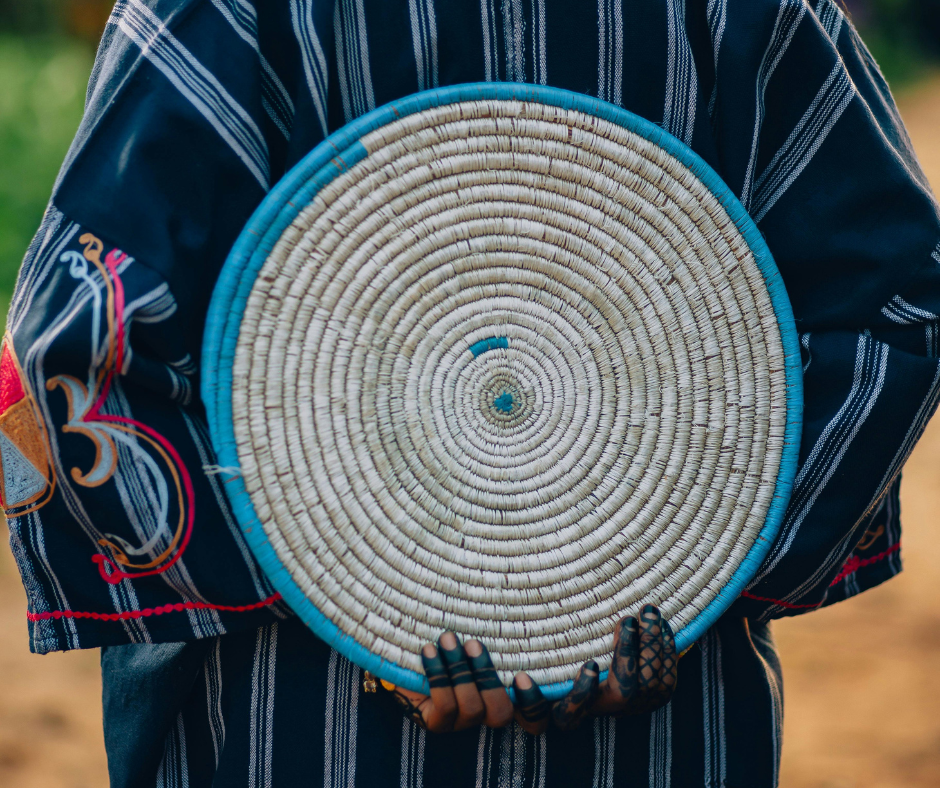
One thing that stands out about Lusaka is it’s vibrancy. There’s anticipation in the air, young, exciting, new, all things that feel inspirational. It is a city that has a large young population who want to contribute to the society they live in. You can see this in the hustle culture, young people buying, selling,ContinueContinue reading ““The look and language of Lusaka’s art scene in 2026”: The title of a future article”
Cultural Symbolism: How Modern Artists Reinterpret Tradition

Tradition is often spoken about as if it is fragile, something that must be protected from change, handled carefully, kept exactly as it was. Modern African artists disagree. To them, tradition is not a museum artifact. It is a living language. And like any living language, it evolves, bends, borrows, and sometimes breaks its ownContinueContinue reading “Cultural Symbolism: How Modern Artists Reinterpret Tradition”
Why Zambian Art Is Poised for Global Recognition

Zambian art has never lacked talent. What it has lacked, until recently, is attention that knows how to listen. For years, Zambia sat quietly between louder art capitals, its creatives producing thoughtful, technically strong, emotionally rich work without the machinery of hype that propels global recognition. That silence is now breaking because the world isContinueContinue reading “Why Zambian Art Is Poised for Global Recognition”
The Current State of Contemporary African Art
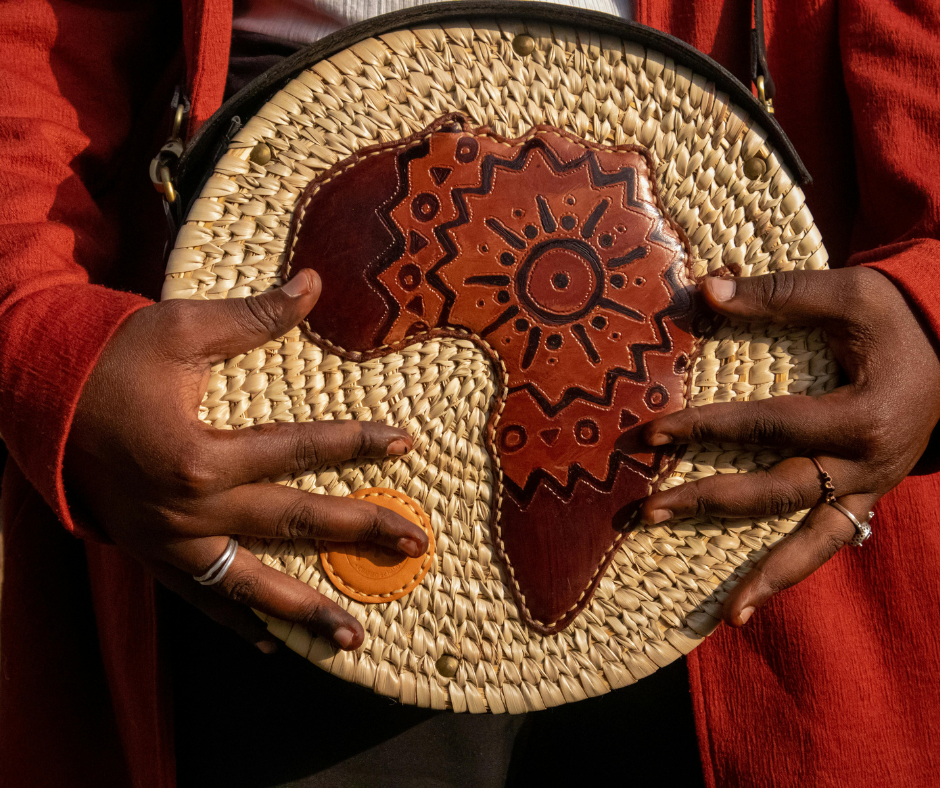
Contemporary African art is having a moment but not the loud, flashy kind people expect. It’s quieter, sharper, and far more intentional than the headlines suggest. This is not a continent “emerging” artistically. It is a continent reclaiming narrative control after decades of being interpreted by everyone else. For a long time, African art was boxedContinueContinue reading “The Current State of Contemporary African Art”
Love, Longing & Color Theory: An Observation
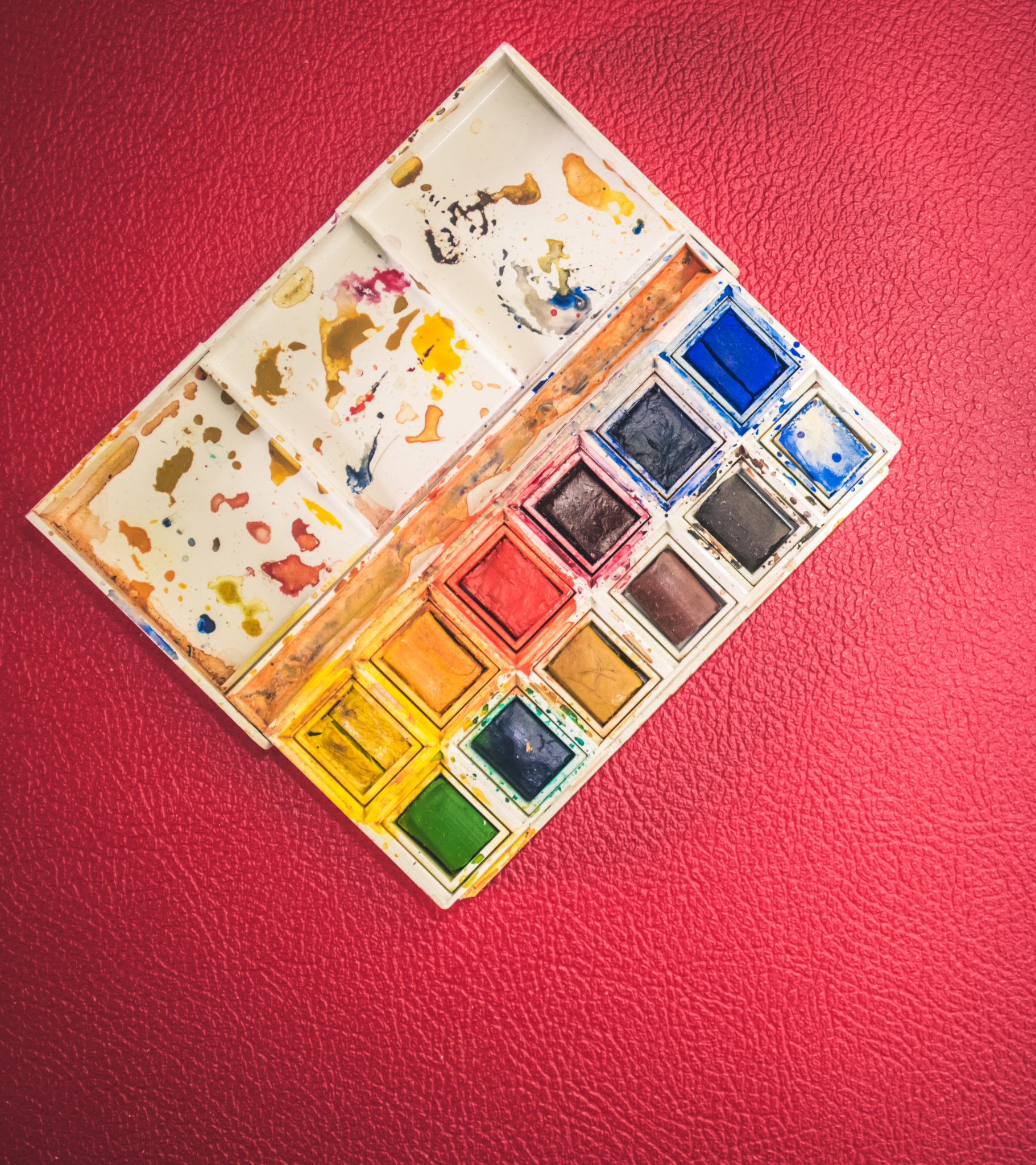
If love had a colour, it would not be red. Red is too obvious, too loud, too certain. Love, real love, is layered. It changes depending on who is looking, what they are remembering, and what they are afraid to admit. This is why romantic art rarely relies on a single colour. It lives in palettes, inContinueContinue reading ” Love, Longing & Color Theory: An Observation”
How Artists Use Emotion to Manipulate the Viewer
“Manipulate” sounds sinister, like a trick played in bad faith. But in art, manipulation is not deception, it is intention. Every artist who creates with purpose is quietly guiding you somewhere toward a feeling, a memory, a reaction you did not plan to have. The first and most obvious tool is emotion by design. Artists choose colors,ContinueContinue reading “How Artists Use Emotion to Manipulate the Viewer”
The Psychology Behind Why We Like Certain Art
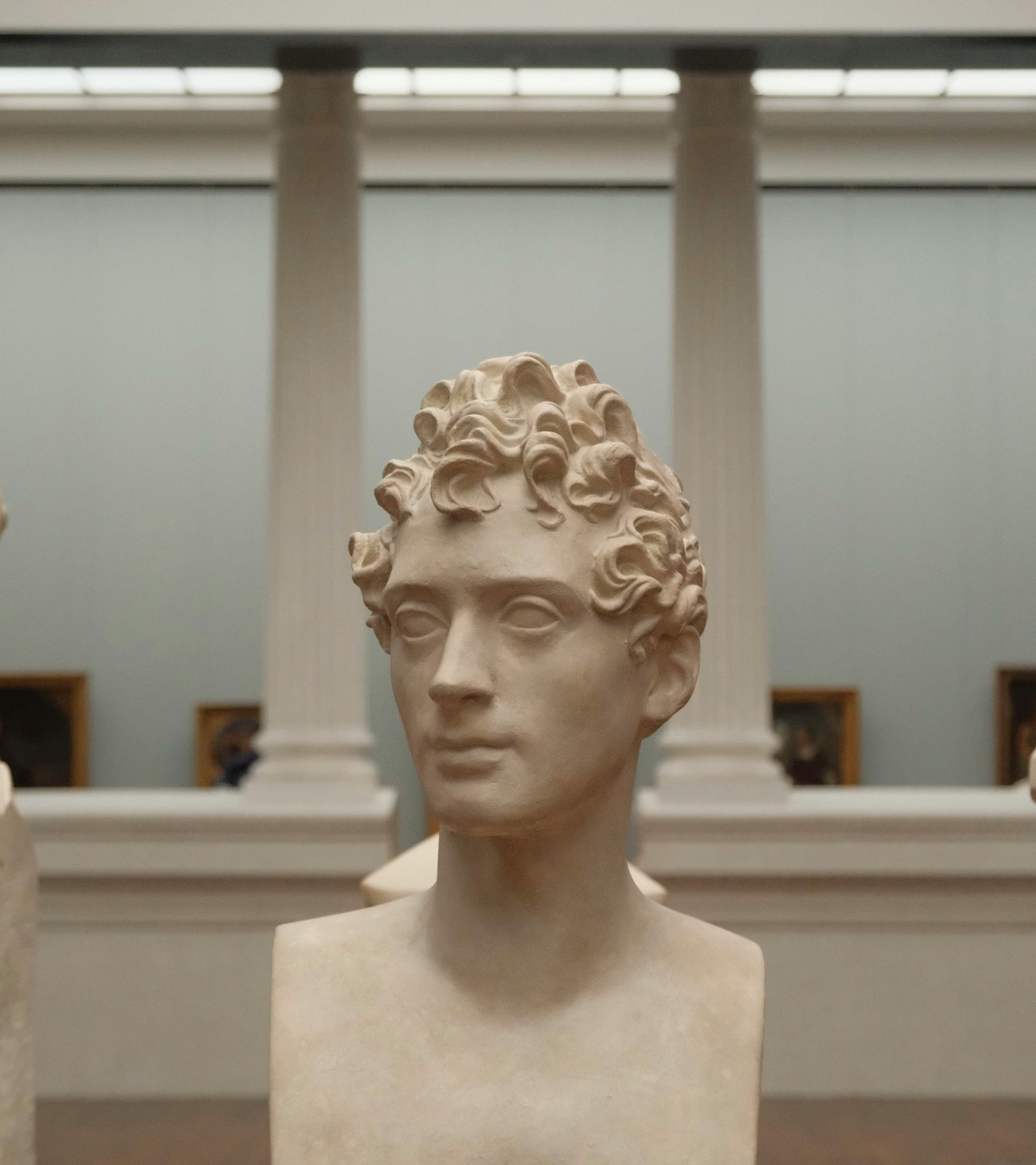
Walk into any gallery, scroll past any curated Instagram feed, or glance at a mural on Cairo Road, and something strange happens, some artworks stop you. Others you pass without guilt. And the confusing part? It’s not always the “best” art that grips you, it’s the one that feels familiar, unsettling, warm, or unreasonably personal. LikingContinueContinue reading “The Psychology Behind Why We Like Certain Art”
How to Look at Art: The Curator’s Method

Most people think looking at art is about taste. You either like it or you don’t. You decide quickly, sometimes without realizing you’ve decided at all, and then you move on. This painting is nice. That one is confusing. This one feels boring. But a curator does not look at art this way. A curator looksContinueContinue reading “How to Look at Art: The Curator’s Method”
Writings behind old family photos
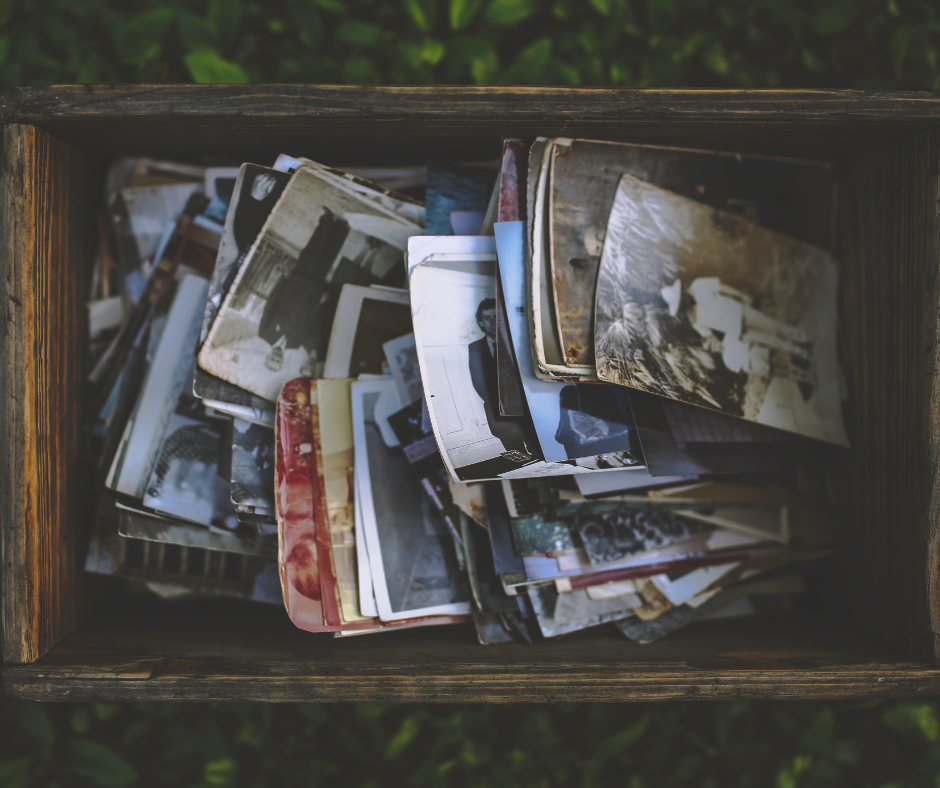
“Go and get the photo album.”Those were the words my grandma said whenever we were hosting, and I remember we always had a special place where we kept it, ready for specific times like this. The guests would watch in anticipation, waiting—unaware that they were about to step into a photo exhibition curated over theContinueContinue reading “Writings behind old family photos”