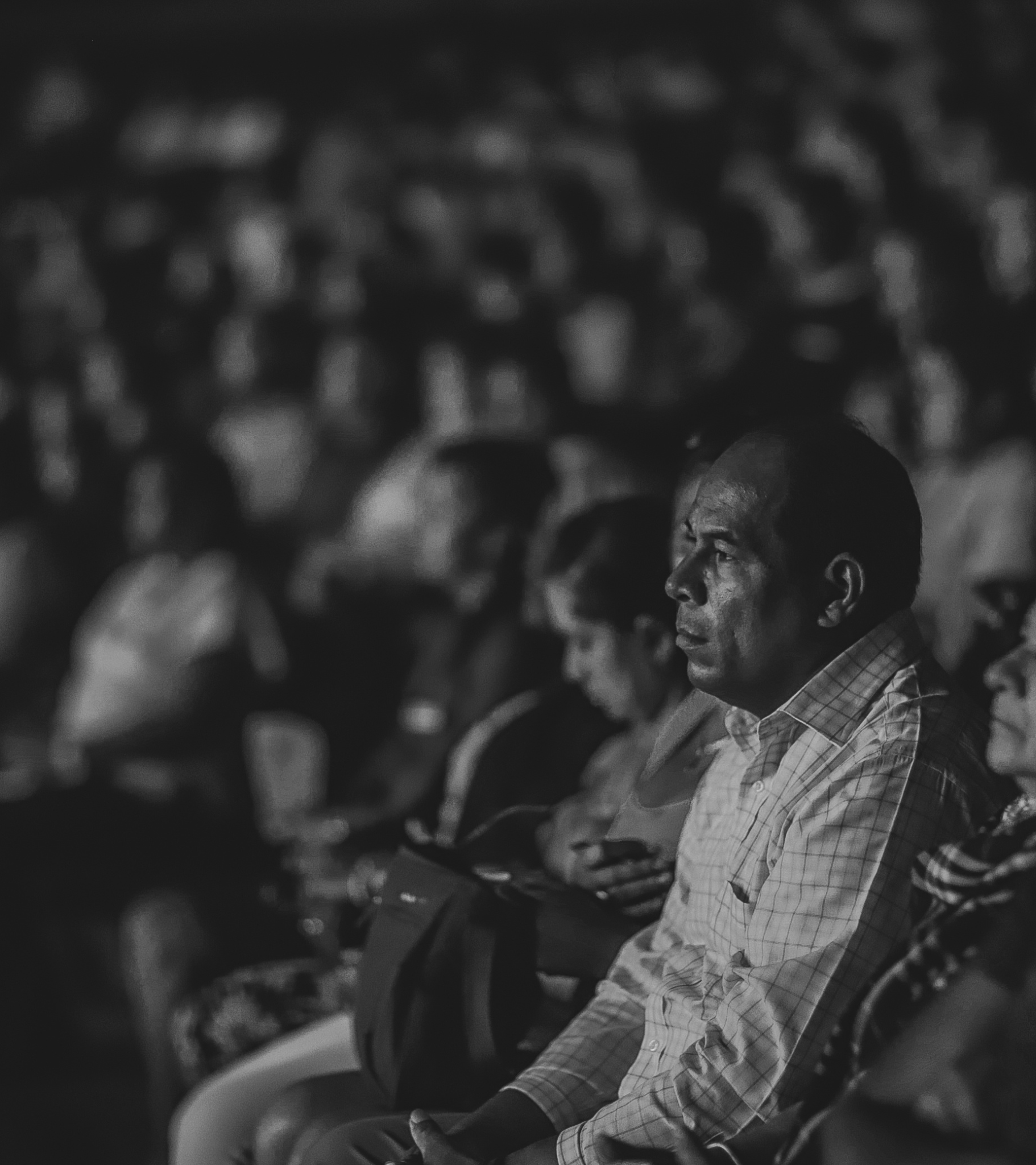
“Manipulate” sounds sinister, like a trick played in bad faith. But in art, manipulation is not deception, it is intention. Every artist who creates with purpose is quietly guiding you somewhere toward a feeling, a memory, a reaction you did not plan to have.
The first and most obvious tool is emotion by design. Artists choose colors, scale, texture, and subject matter not because they are aesthetically pleasing, but because they do something to the body. A large canvas overwhelms. A small one invites intimacy. Harsh lines create tension. Soft edges allow rest. Before you’ve had a single thought, your nervous system has already responded.
Colour is the most obedient accomplice. Warm tones like reds, rusts, ochres increase heart rate and attention. Cool tones slow you down. Desaturated palettes feel nostalgic or mournful. High contrast demands alertness. This is why romantic art so often leans toward pinks, deep blues, and low lighting: the artist wants you softened, open, slightly undone.
Then there is composition, the choreography of your eyes. Artists decide where you look first, where you linger, and where you leave. A face placed slightly off-centre creates unease. Empty space suggests absence. Cropped figures feel intimate, like you’ve walked in too close. You think you are freely observing, but your gaze is being led gently, insistently, like someone guiding you through a room by the elbow.
Emotion is also manipulated through story gaps. The most powerful artworks do not explain themselves fully. They leave just enough unanswered for the viewer to project their own experience. A woman looking away. A hand mid-reach. A lover not shown. These omissions are intentional. The brain hates incomplete narratives and rushes to fill them usually with personal memory.
Artists also manipulate time. A frozen moment can feel eternal. A blurred one feels fleeting. Romantic imagery often suspends time, lovers locked in a second that refuses to pass. You’re not just seeing affection; you’re being asked to remember your own moments of almost, of waiting, of wanting something to last longer than it did. There’s a reason heartbreak art feels universal. The artist has removed specific details so your story can fit inside theirs.
Texture is another quiet weapon. Thick paint suggests urgency, even violence. Smooth surfaces feel controlled, distant, curated. Mixed media introduces chaos. In Zambia, where tactility is everywhere, woven baskets, carved wood, layered fabric, texture carries emotional weight. It reminds us that something was touched to be made.
And then there is symbolism, the most elegant form of emotional persuasion. Flowers that bloom too brightly. Shadows that linger longer than expected. Water that never quite settles. These symbols bypass rational thought and go straight for association. You don’t analyse them; you feel them. That feeling lingers longer than logic ever could.
But perhaps the most effective manipulation is sincerity or at least the illusion of it. When art feels honest, we lower our guard. We trust it. We let it in. Whether the artist is genuinely exposing themselves or expertly performing vulnerability almost doesn’t matter. What matters is that you feel seen. This is why some art makes you defensive and other art disarms you completely. It’s also why viewers sometimes feel embarrassed by how strongly they react. “It’s just a painting,” we say, as if we didn’t just feel our chest tighten. But emotion is the point. Art that doesn’t manipulate you emotionally is decoration, not communication.
None of this is cruel. It’s human. Artists understand that to move people, you must meet them where they already are, in memory, longing, desire, grief, hope. The manipulation is mutual. You want to be moved. They know how. And when it works, you leave changed in a way you cannot fully explain. That is not control.
That is connection carefully crafted.