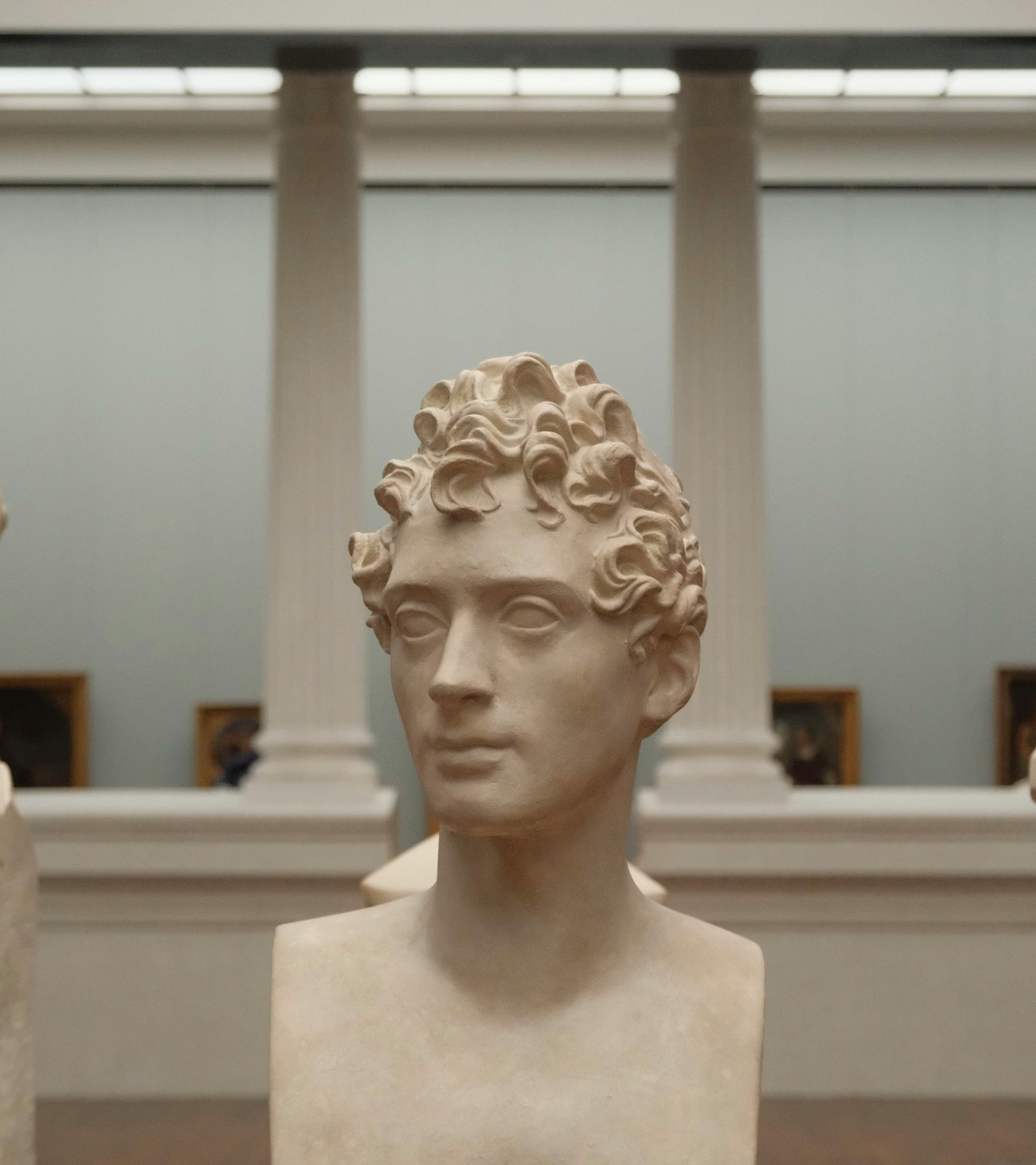
Walk into any gallery, scroll past any curated Instagram feed, or glance at a mural on Cairo Road, and something strange happens, some artworks stop you. Others you pass without guilt. And the confusing part? It’s not always the “best” art that grips you, it’s the one that feels familiar, unsettling, warm, or unreasonably personal.
Liking art is not as random as we pretend. It’s psychology, memory, culture, and emotion having a polite but intense meeting in your brain.
At its core, our attraction to certain art is deeply associative. The human brain is obsessed with patterns. When we see colors, shapes, or scenes that resemble something we’ve already experienced, our brain rewards us with recognition. That recognition feels good. It feels safe. That’s why a painting of a quiet room can feel louder than a dramatic landscape because it resembles a moment you’ve lived.
This is why someone raised around bold fabrics, saturated colour, and movement may gravitate toward expressive or maximalist art. In Zambia, where colour is not shy, from chitenge patterns to bus graffiti to market displays, minimalism can feel cold to some and refreshing to others. Preference isn’t just taste, it’s exposure.
Then there’s emotional mirroring. We are drawn to art that reflects how we feel or how we want to feel. When you’re content, chaotic art can feel exhausting. When you’re heartbroken, gentle art can feel dishonest. Art becomes a mirror, and we instinctively choose mirrors that tell the truth we’re ready to hear.
Psychologists call this mood congruence. I call it “why that painting suddenly makes sense at 2 a.m.”
Memory plays an even quieter role. A colour palette can remind you of a childhood home. A composition can echo a photograph you forgot you loved. You may not consciously know why you like a piece but your nervous system remembers. Art often bypasses logic and speaks directly to stored emotion.
This is also why people argue about art with unnecessary passion. When someone dismisses a piece you love, it can feel personal because it is. They are not rejecting paint or form; they are unknowingly rejecting a memory, a feeling, or a version of you that found shelter in that artwork.
There’s also the role of identity signaling. We like art that aligns with who we believe we are or who we are becoming. A young professional may suddenly prefer clean lines and muted tones. A creative in transition may fall in love with softness, ambiguity, and unfinished forms. Art becomes a visual autobiography written in preference rather than words.
Interestingly, we don’t always like art that makes us happy. Sometimes we like art that makes us ache because ache implies depth. The brain releases dopamine not only when something feels good, but when it feels meaningful. Sad music. Melancholic paintings. Longing captured in brushstrokes. These things tell us we are not alone in feeling complicated.
Culture quietly edits all of this. What is considered beautiful, romantic, dramatic, or tasteful is learned long before it is chosen. Colonial histories, global media, religious symbolism, and local aesthetics all feed into our internal art compass.
And yet, despite all this psychology, there remains something stubbornly mysterious. Sometimes you like an artwork for no reason you can explain. No memory. No logic. No symbolism. Just a pull.
That pull is where psychology ends and intuition begins.
Art does not ask to be understood first. It asks to be felt. And what we feel says far more about us than about the canvas.
That is why two people can stand in front of the same artwork and walk away with entirely different truths both valid, both complete.
You don’t like art because it is good.
You like it because, in some quiet way, it knows you.