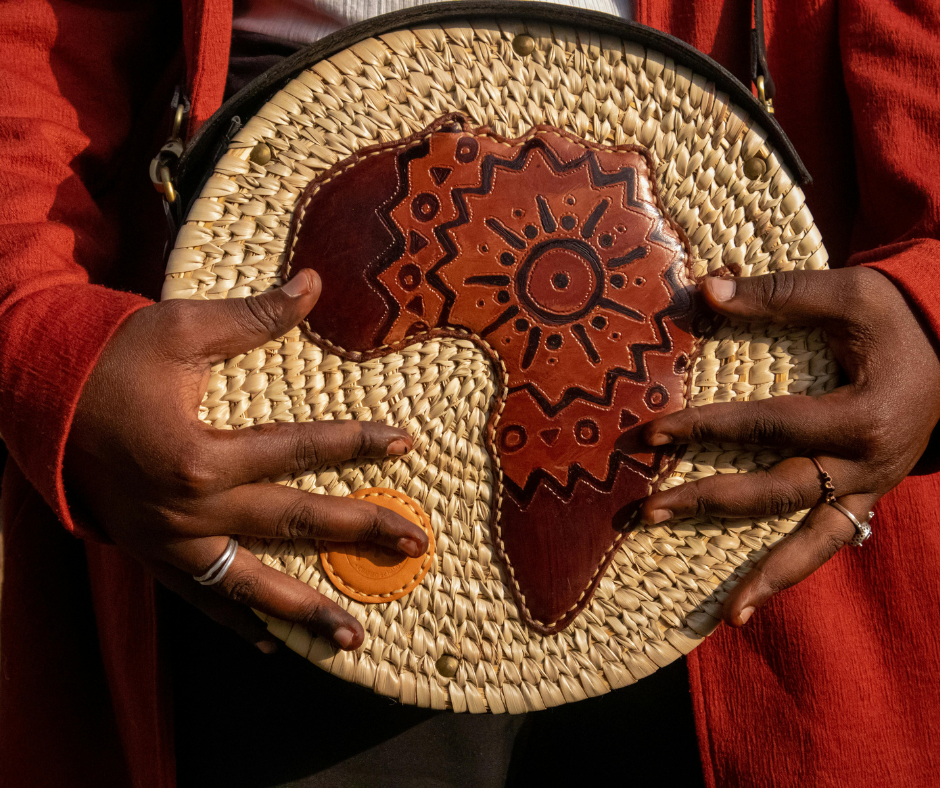
Contemporary African art is having a moment but not the loud, flashy kind people expect. It’s quieter, sharper, and far more intentional than the headlines suggest. This is not a continent “emerging” artistically. It is a continent reclaiming narrative control after decades of being interpreted by everyone else.
For a long time, African art was boxed neatly into two categories: traditional or political. Masks or protest. Craft or commentary. Contemporary African artists are now deliberately refusing that binary, producing work that is personal, conceptual, playful, spiritual, romantic, and sometimes gloriously uninterested in explanation.
The most striking feature of the current landscape is multiplicity. There is no single aesthetic dominating African art right now and that is the point. Artists are drawing from fashion, architecture, religion, pop culture, digital life, family archives, and urban chaos. A painting can reference ancestral memory and internet culture in the same breath. A sculpture can be intimate without being symbolic, political without being instructional. This complexity unsettles markets that prefer neat labels. But it excites viewers who are tired of being told what African art is supposed to look like.
Another defining feature is self-awareness. Contemporary African artists know they are being watched by global collectors, curators, biennales, and social media audiences. Rather than perform “Africanness,” many are interrogating it. Who decides what is authentic? Who profits from visibility? Who gets archived and who disappears? This reflexivity has led to work that feels intellectually confident. Artists are not asking for permission anymore. They are speaking to the global art world, not for their communities.
Geography matters, but not in the way it used to. African art is no longer confined to physical borders. Diaspora artists are shaping conversations just as much as those working on the continent. Lagos speaks to London. Lusaka echoes Berlin. Johannesburg debates New York. The result is a transnational art language that resists being pinned down.
Digital platforms have accelerated this shift. Instagram, online exhibitions, and independent publications have allowed artists to bypass traditional gatekeepers. Visibility is no longer entirely dependent on Western institutions. This has democratised access but it has also created new pressures to brand oneself, perform consistency, and remain legible to algorithms.
Still, something important is happening: artists are building their own ecosystems. Artist-run spaces, pop-up exhibitions, informal critiques, and collaborative studios are flourishing. These spaces prioritize conversation over validation. They allow experimentation without the immediate pressure of market approval.
In Zambia, this is especially visible. Artists are working with limited infrastructure but expansive imagination. They are borrowing space, sharing materials, repurposing objects, and exhibiting wherever they can. Constraint has become a creative language of its own.
Contemporary African art is also increasingly emotionally nuanced. It is not always loud about suffering or triumph. It allows for boredom, romance, irony, softness. This emotional range challenges the idea that African art must always carry the weight of representation.
Importantly, artists are reclaiming pleasure. Beauty is no longer treated as superficial. Fashion, colour, intimacy, and aesthetic indulgence are being embraced without apology. This does not dilute meaning; it expands it.
The market, predictably, is playing catch-up. While auctions spotlight a few familiar names, the real energy lies elsewhere in studios, collectives, and conversations that rarely make headlines. The danger now is oversimplification: turning a vibrant, diverse movement into a trend.
But contemporary African art resists flattening. It thrives on contradiction. It is rooted and mobile. Political and personal. Confident but questioning.
It does not ask to be understood immediately.
It asks to be taken seriously, on its own terms.
And perhaps that is the clearest sign of its current state:
African art is no longer explaining itself. It is speaking.