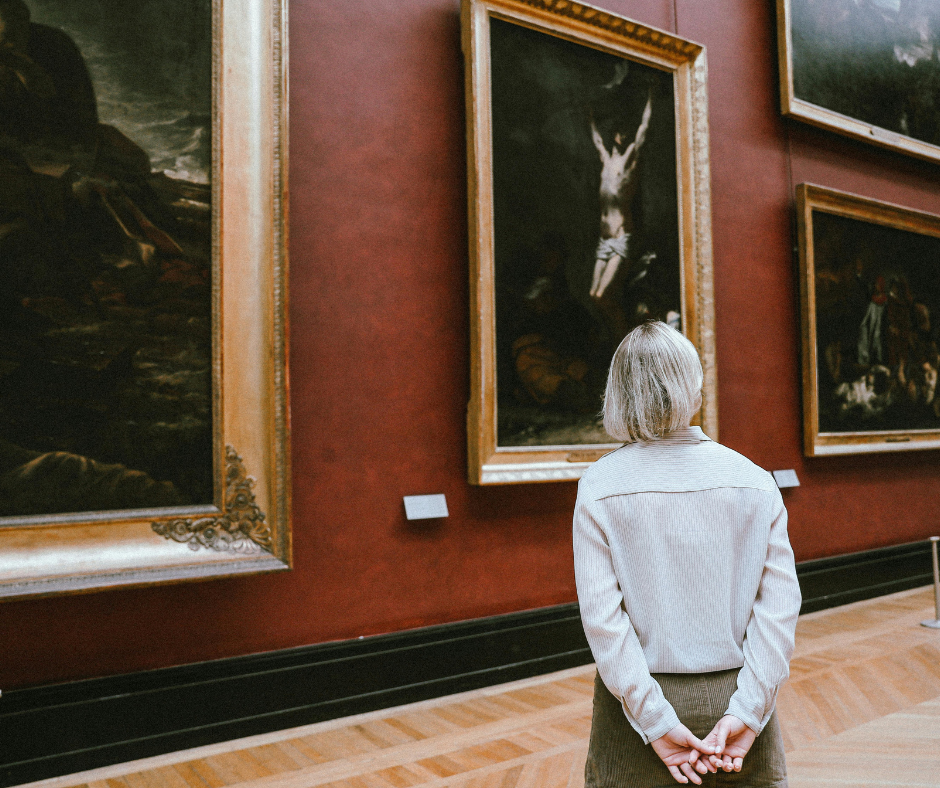
You’ve experienced it, even if you’ve never named it. You walk past ten artworks and only one makes you stop. You don’t always know why. You might not even like it in a conventional sense. But something pulls at you. It speaks. The others feel fine. Polite. Well-made. Quiet.
Art speaks when it carries risk. Not danger in a dramatic, chaotic way, but emotional risk. When the artist chose honesty over safety. When they resisted the urge to smooth everything out. When they allowed uncertainty, vulnerability, or contradiction to remain visible.
A lot of art is technically impressive but emotionally mute. It shows skill, training, discipline, and effort. You can tell time was invested. Education was applied. References were studied. But it doesn’t reach you. It’s like a conversation where the person speaks perfectly but says nothing real. You admire the form, but nothing lingers after you walk away.
Art that speaks usually has a pulse. You feel it immediately, even if you don’t understand it yet. It feels necessary, as though it had to be made. As though not making it would have cost the artist something. This urgency doesn’t always look dramatic. Quiet works can speak loudly if they come from a truthful place.
In Zambia, we understand this instinctively. Think about music played at moments of grief or celebration. It doesn’t need to be flawless. It needs to be sincere. A cracked voice can move a room faster than a perfect one. The same principle applies to visual art, writing, fashion, and design.
Art also speaks when it leaves space for the viewer. It doesn’t explain itself too much. It doesn’t try to control your reaction. It trusts you. Silence can be generous. When everything is spelled out, there’s no room for you to enter. Speaking art invites you to meet it halfway.
Sometimes art doesn’t speak because it’s trying too hard to belong. To trends. To approval. To what the artist thinks will be accepted, praised, or shared. In those moments, the work becomes careful. And careful art is often quiet. It avoids offending, but it also avoids connecting.
Other times, art doesn’t speak because you’re not the audience yet. Timing matters. Your experiences matter. What feels silent today might feel devastatingly loud five years from now. Silence doesn’t automatically mean failure. It sometimes means “not now.”
There is also art that speaks softly, not loudly. Not everything needs to shout. Some works whisper. They require patience. They ask you to slow down, to stay longer than you planned. In a fast world, this kind of art is easily missed, but deeply rewarding.
When art speaks, you feel it in your body before your mind. You pause without deciding to pause. Your breathing changes. You lean in. Something shifts, even if only slightly. You might feel unsettled, comforted, exposed, or seen. Words often come later, if they come at all.
That response is not about intelligence or education. It’s about attention meeting honesty. When an artist tells the truth and a viewer is present enough to receive it, something passes between them. Quietly. Powerfully.
Art doesn’t need to speak to everyone. But when it speaks to you, listen. That moment matters more than approval, trends, or explanation.